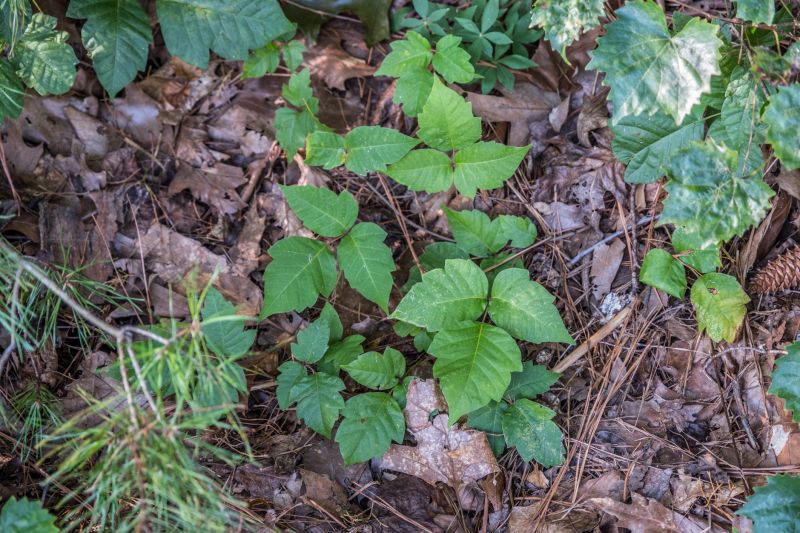
Poison Oak Removal in Harford County, MD
Poison oak removal services focus on safely eliminating this invasive plant from residential properties. These services typically cover projects such as clearing overgrown areas, trimming back shrubs, and removing poison oak from yards, gardens, or landscaped spaces. Property owners often request this service to reduce the risk of skin irritation and allergic reactions caused by contact with the plant, especially in outdoor areas frequented by children, pets, or during outdoor activities.
Before requesting poison oak removal, property owners should consider the extent of the infestation and whether the plant is located near desirable landscaping or structures. Understanding the size of the affected area and the accessibility of the site can help determine the appropriate approach. It is also helpful to know if there are any other plants or features nearby that may require special care during removal. This information can assist in planning a safe and effective removal process tailored to the property’s specific needs.
Many property owners in Harford County, MD look into Poison Oak Removal for repairs, replacements, upgrades, and appearance-related improvements.
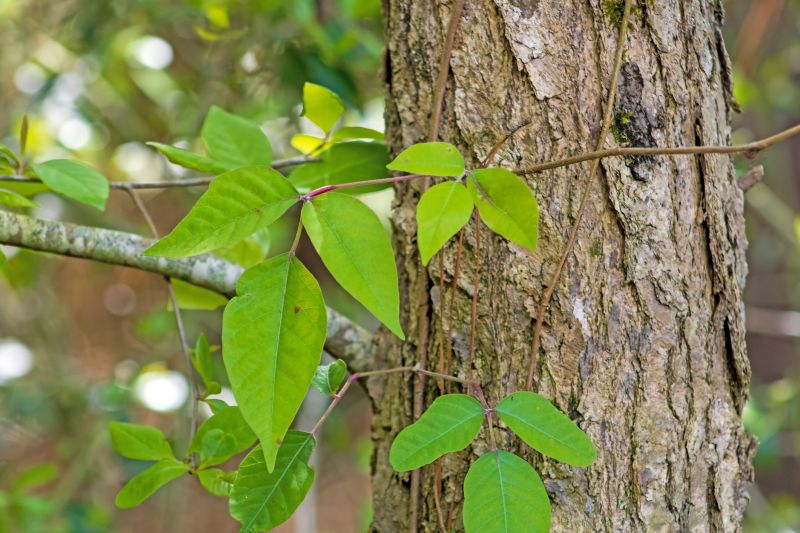
Poison Oak Identification
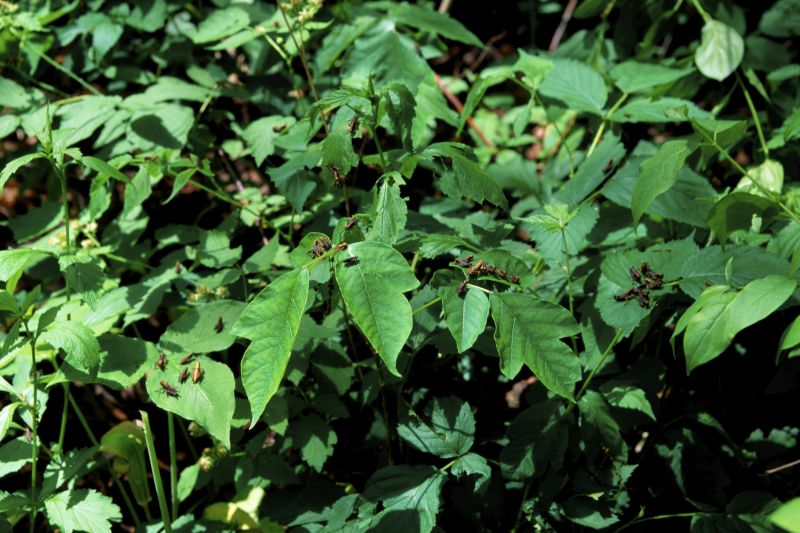
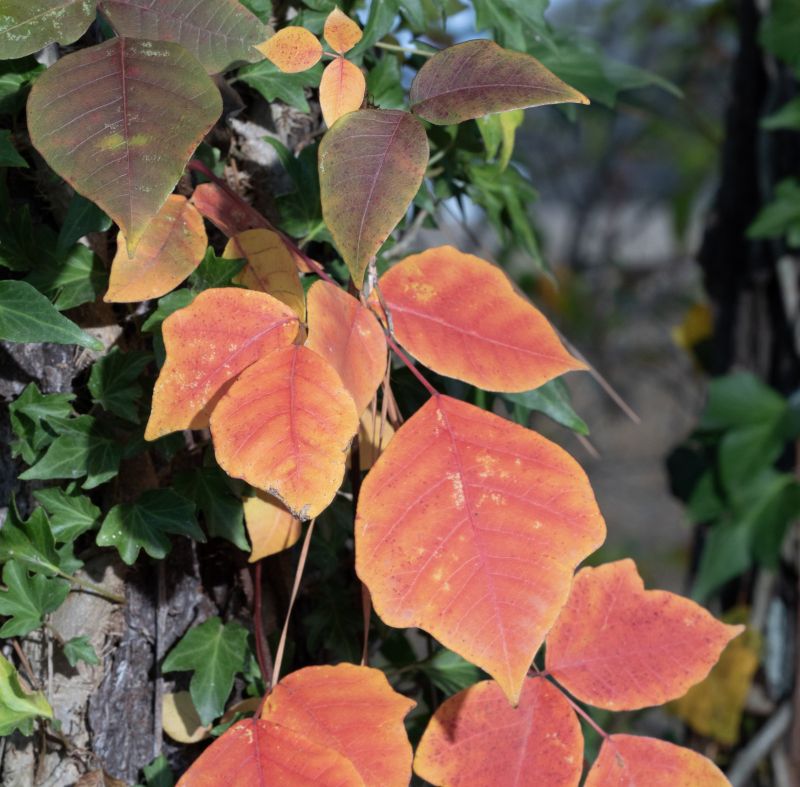
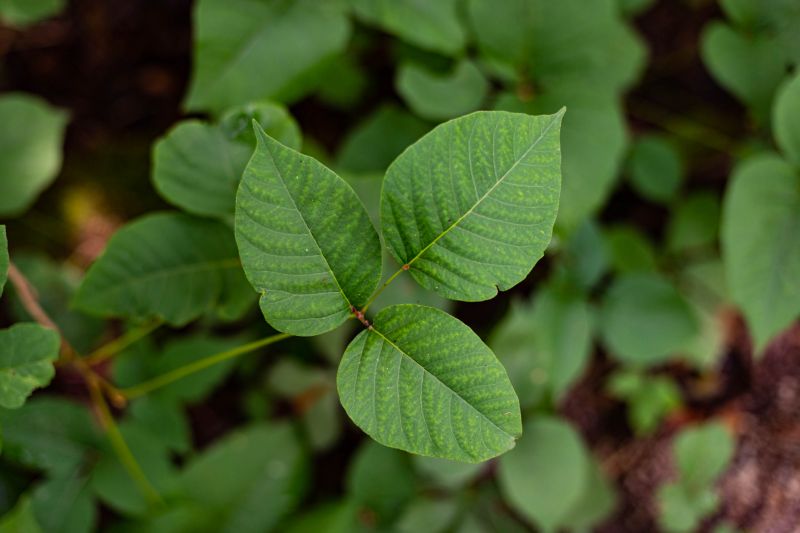
Understanding how to recognize poison oak helps prevent skin irritation and exposure.
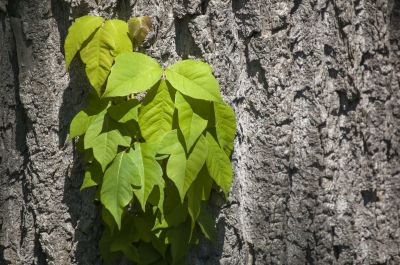
Safe Removal Techniques
Proper removal methods ensure that poison oak is effectively cleared without spreading or causing harm.
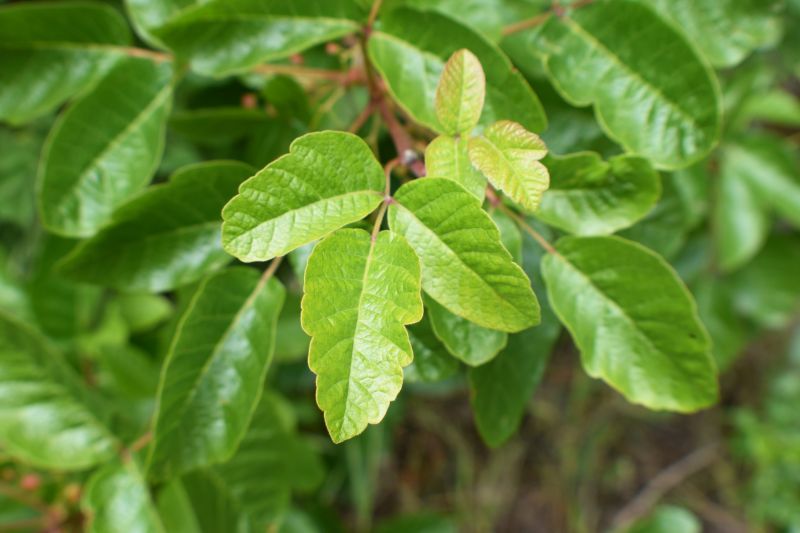
Property Maintenance Tips
Regular upkeep of your landscape can reduce the risk of poison oak growth on your property.
Poison Oak Removal in Harford County, MD
Poison oak removal services focus on safely eliminating this invasive plant from residential properties. These services typically cover projects such as clearing overgrown areas, trimming back shrubs, and removing poison oak from yards, gardens, or landscaped spaces. Property owners often request this service to reduce the risk of skin irritation and allergic reactions caused by contact with the plant, especially in outdoor areas frequented by children, pets, or during outdoor activities.
Before requesting poison oak removal, property owners should consider the extent of the infestation and whether the plant is located near desirable landscaping or structures. Understanding the size of the affected area and the accessibility of the site can help determine the appropriate approach. It is also helpful to know if there are any other plants or features nearby that may require special care during removal. This information can assist in planning a safe and effective removal process tailored to the property’s specific needs.
Many property owners in Harford County, MD look into Poison Oak Removal for repairs, replacements, upgrades, and appearance-related improvements.
Common Poison Oak Removal Jobs
Poison Oak Removal - safely eliminates poison oak from residential and commercial properties.
Land clearing - removes poison oak patches to restore yard safety and appearance.
Brush clearing - targets overgrown areas with poison oak to prevent spreading.
Property maintenance - controls poison oak growth to protect landscaping and outdoor spaces.
Trail and path clearing - removes poison oak along walkways for safer access.
Yard cleanup - addresses poison oak in lawns and garden areas for safety and aesthetics.
Poison Oak Removal Questions
What is poison oak removal? Poison oak removal involves safely eliminating the plant to prevent skin irritation and property damage.
When should poison oak be removed? Removal is recommended when the plant is growing in areas accessible to people or pets, or when it poses a risk to outdoor activities.
Are there safety concerns during removal? Yes, proper precautions are necessary to avoid skin contact and spread of the plant's oils during removal.
What types of properties benefit from poison oak removal? Residential yards, parks, and commercial properties with outdoor spaces can all benefit from poison oak removal services.
Request Poison Oak Removal in Harford County, MD
Use the quote form on this page to share the basics of your project and request more information for the type of work you need.